
Case Study · Applied research tools and contribution
Software and EO Dashboards
Decision-support software, sensor workflows, and Earth-observation dashboards translated into practical agricultural guidance.
Problem
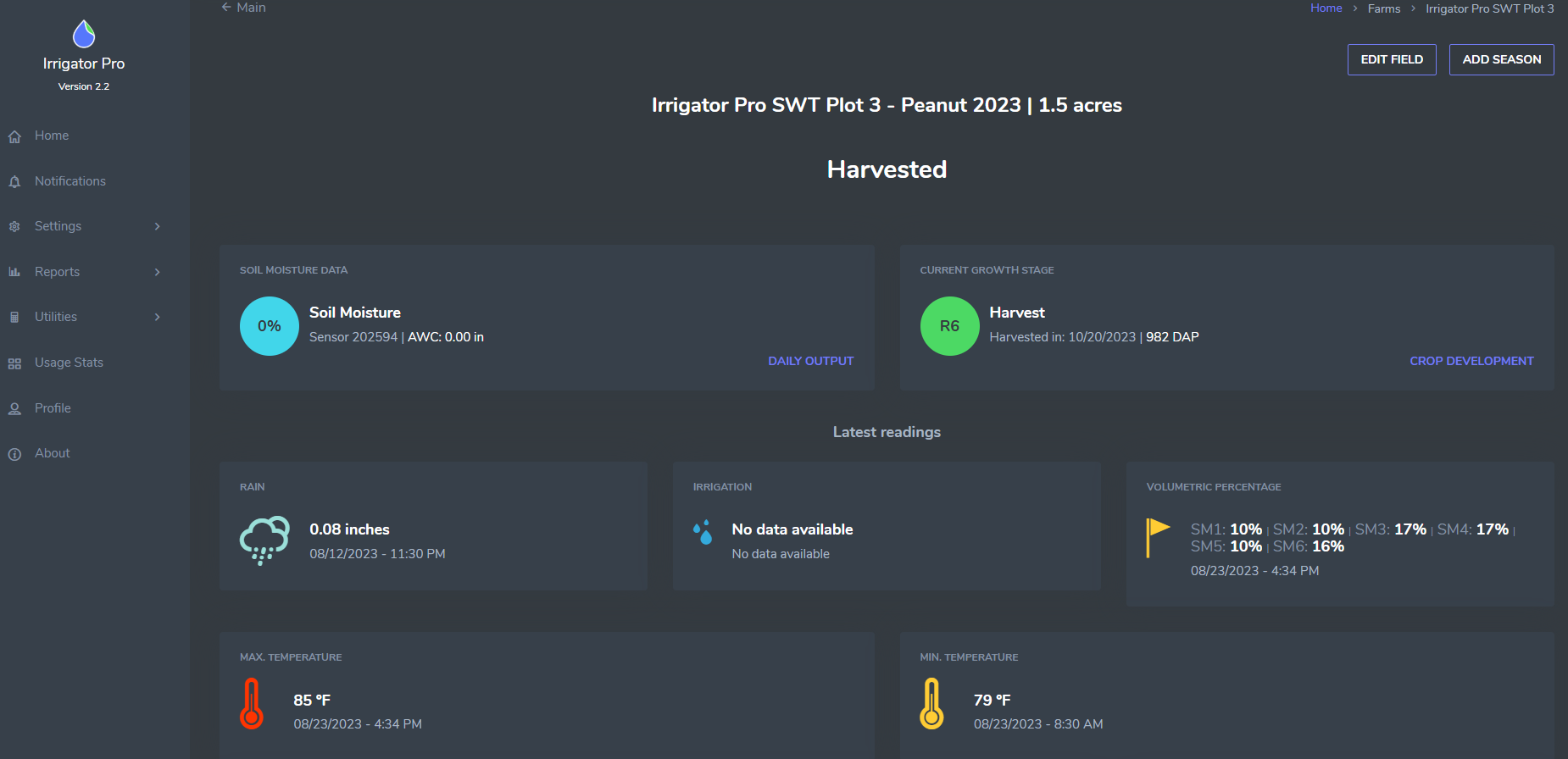
Environmental indicators create value only when users can interpret them in time for a decision. Irrigation and soil-monitoring workflows must connect sensors, weather, field context, maps, APIs, and clear communication rather than leaving results in isolated analyses.
Role
Giannis supported applied software and decision-support development by testing irrigation workflows, contributing to sensor/API and data-entry components, implementing feedback from researchers, Extension agents, and farmers, and helping translate technical outputs into practical recommendations. The work also included support for dissemination workshops, field days, and user-facing communication around irrigation scheduling, soil-moisture interpretation, and dashboard-based decision support.
Data and Methods
- Soil-moisture sensing and field observations
- Weather and crop or field context
- API, data-entry, and automated data workflows
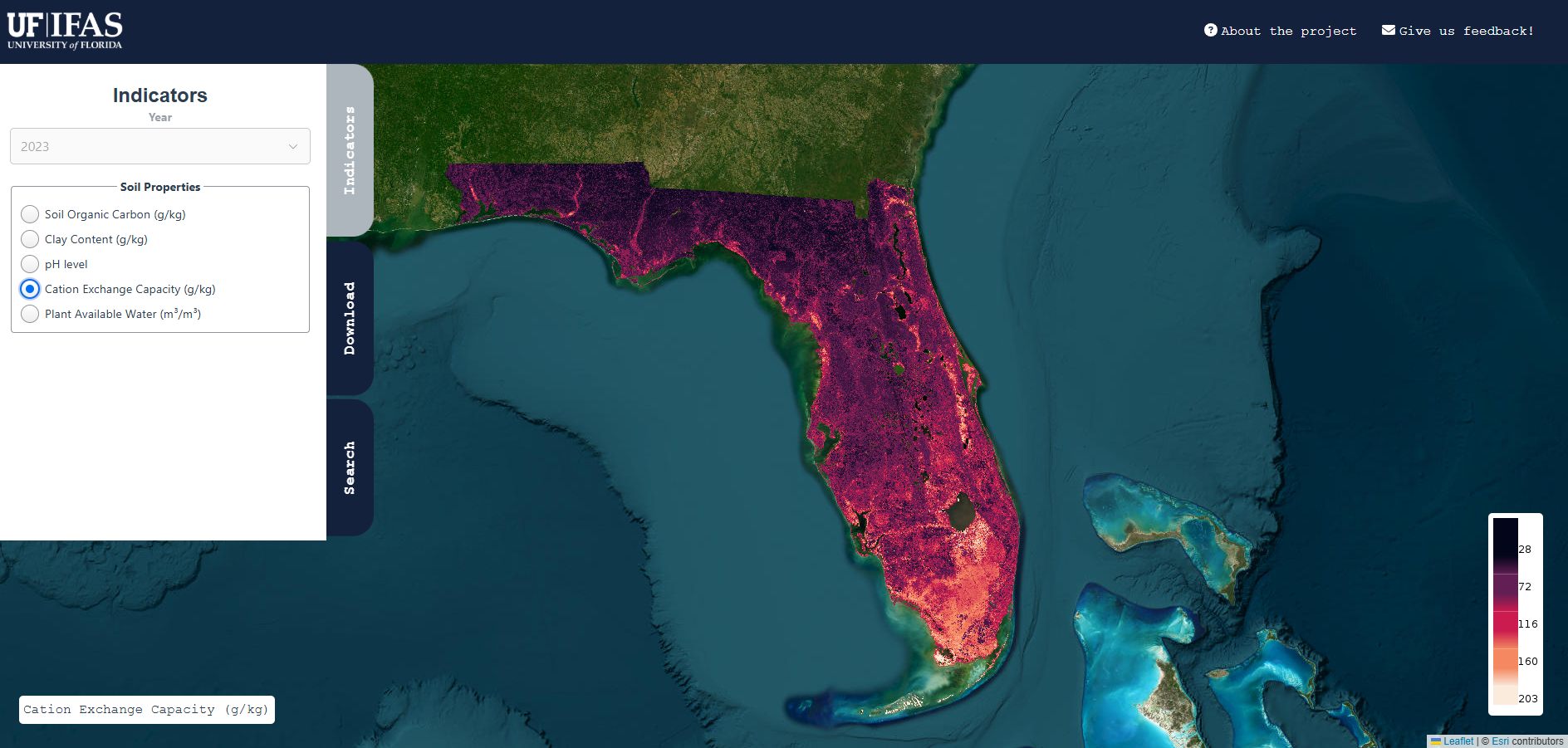
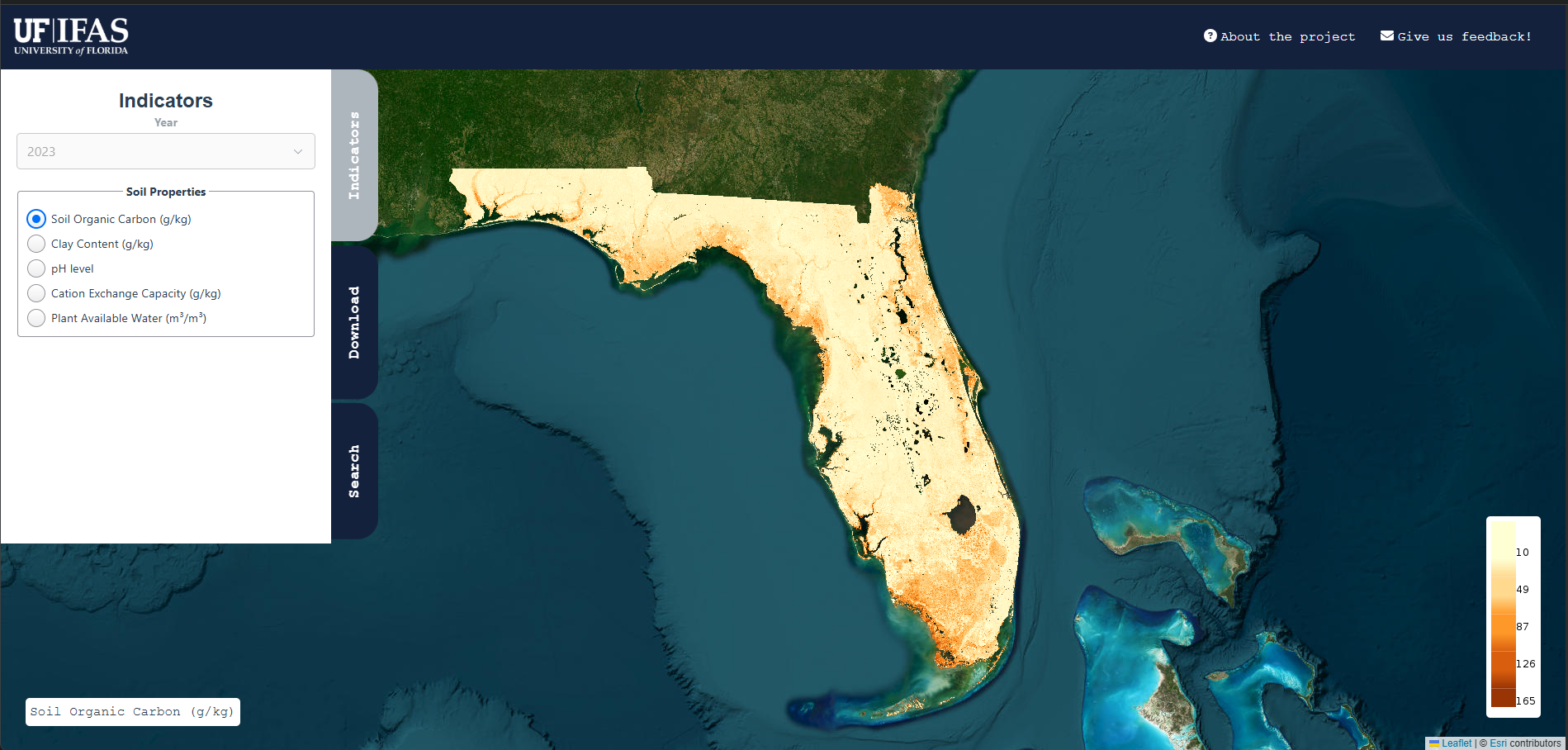
- Interactive Web GIS and dashboard layers
- Extension-facing testing, workshops, field days, and grower communication
Deliverables
- Irrigation scheduling support workflows
- Sensor, API, and data-entry components
- Grower-facing recommendations and Extension material
- Interactive soil and EO dashboard concepts
- Map layers, time-series context, and export-ready visual outputs
Evidence and Status
Giannis contributed within the broader IrrigatorPro context used across more than 15,000 hectares and associated with approximately 15% water-use efficiency improvement. These figures describe the broader platform context, not a result attributable to one contributor.
Institutional Relevance
The work demonstrates how monitoring evidence can move into operational interfaces, communication, and decisions for agricultural programmes, Extension systems, water-management teams, and land-monitoring projects.
Limits and Next Steps
Recommendations depend on sensor placement and maintenance, weather inputs, crop parameters, field conditions, connectivity, and local agronomic judgment. Dashboard concepts require user testing and sustained data services.